CNC Machine and Precision Parts Export Controls: A Shopify Merchant Checklist | MatchAudit Learn
CNC Machine and Precision Parts Export Controls: A Shopify Merchant Checklist
Selling CNC machines, bearings or precision parts abroad? Connect product classification, buyer screening and shipment review in your Shopify workflow.
•4 min read
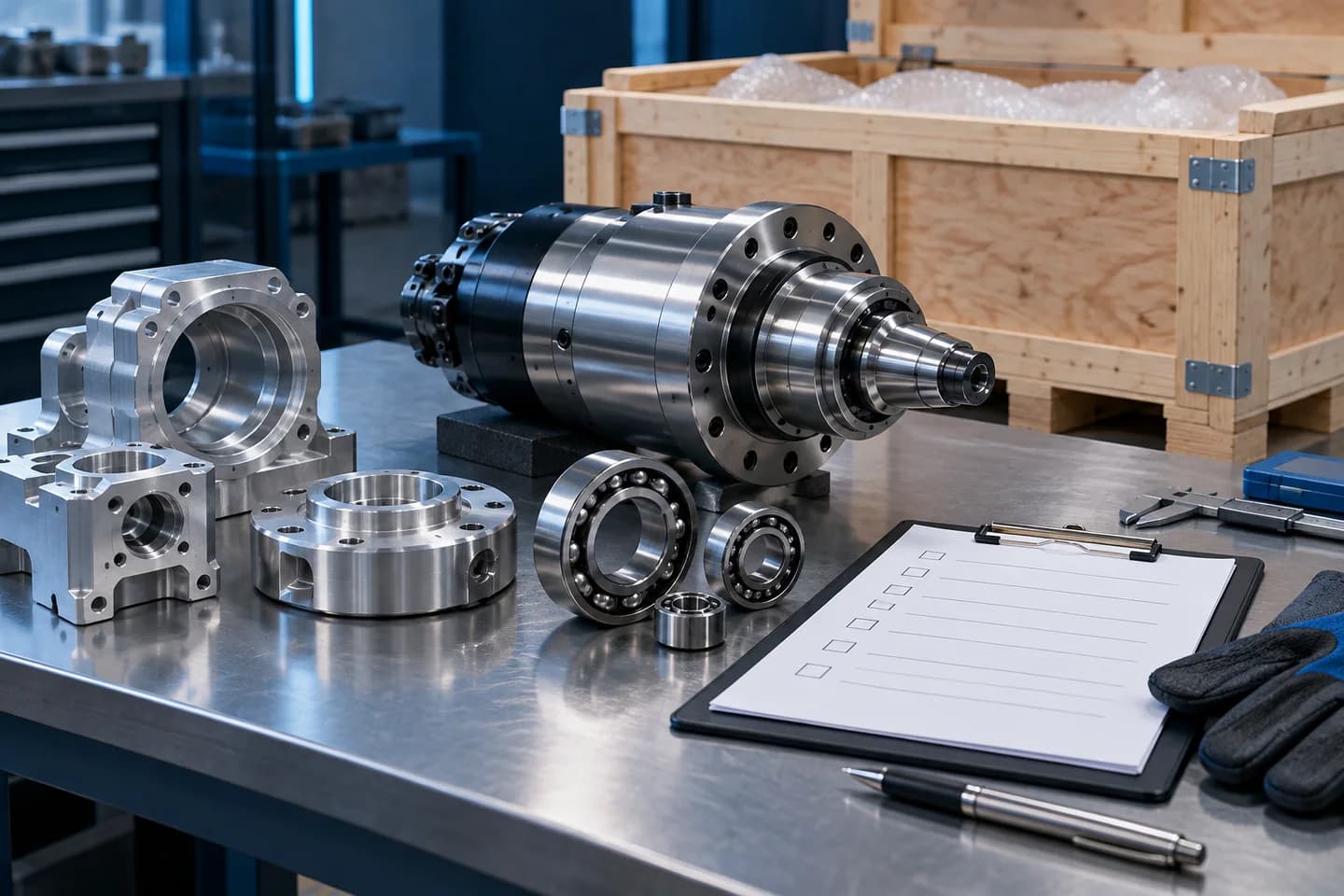
Selling a spindle, bearing or machined component through Shopify can look like a routine spare-parts order. Before it leaves your warehouse, someone still needs to connect the exact product to the buyer, destination and intended use. CNC machine export controls require a product assessment alongside customer screening. Neither check replaces the other.
This guide is for CNC distributors, machine-tool suppliers and precision-component merchants taking international B2B orders. Start with a repeatable order review, then automate the party-screening step where your Shopify workflow supports it.
Why CNC and precision parts deserve a closer look
The BIS Common High Priority Items List includes certain CNC machine tools and components, as well as categories of bearings. It highlights diversion risk; it is not a universal ban on every CNC product or bearing.
A replacement part ordered by a reseller may eventually reach a different factory. Ask who will use it and where it will be installed when the order raises questions. Treat a change of delivery site as information that can affect the review.
Build a classification record for the exact SKU
For each export SKU, maintain a practical product record containing:
Manufacturer, model, part number and revision.
Technical specifications and the equipment the part is designed for.
Country of origin and the jurisdictions relevant to the shipment.
Customs classification, plus export-control classification where applicable.
The source, date and owner of the classification assessment.
An HS code and an ECCN serve different purposes. Customs information alone does not complete a US export-control assessment. BIS explains how to determine an item's classification in its classify your item guidance. Do not assign an ECCN from a product title or copy it from a superficially similar component.
Keep this record outside the checkout if necessary, but link it to a stable SKU. When a manufacturer revises a component, make the classification review part of your catalog update rather than discovering the change during packing.
Review the buyer and the installation site
Collect the legal buyer name, business address, delivery recipient and actual installation site. If a distributor is buying, establish whether it is stocking inventory or supplying an identified customer. Record the explanation and supporting information appropriate to the order.
For example, a repeat reseller orders bearings for delivery to a new warehouse and asks you to remove the manufacturer's part description from the invoice. Pause the order, establish the actual product and parties, and resolve the request before dispatch. This is an illustrative escalation scenario, not proof of a violation.
Confirm the product record. Check the exact SKU and revision against the classification assessment.
Confirm the transaction. Assess destination, end user, intended use and any authorization requirements.
Screen supported order parties. Use the lists appropriate to your business and confirm the result refers to the current order details.
Resolve findings. Assign an owner for possible matches, missing information and technical questions.
Authorize dispatch. Release only after all required reviews are complete, and retain the evidence behind that decision.
MatchAudit can support the party and country-risk screening step, place fulfillment holds on potential matches and retain review decisions. Its Shopify App Store listing describes the current scope. It does not classify CNC products or issue export licences.
Keep any separate product or licensing hold in place until that review is approved. An Allow decision in a screening case must not become a shortcut around an unresolved export-control assessment. Test your warehouse integration using the Shopify fulfillment-hold guide.
Frequently asked questions
Does every CNC part need an export licence?
No universal rule covers every part. Assess the exact item, applicable jurisdiction, destination, end user and end use before deciding whether authorization is required.
Is an HS code the same as an ECCN?
No. An HS code supports customs classification. An ECCN is a classification under the US Export Administration Regulations. Keep both where applicable.
Can MatchAudit classify my CNC products?
No. MatchAudit supports party and country-risk screening. Product classification and export-licence decisions require a separate process.
Add a screening step to your CNC orders
Install MatchAudit on Shopify to connect customer screening, potential-match review and decision records to your order workflow. Confirm coverage and warehouse behavior with a test order before using it for live dispatch.
Reviewed 16 October 2026. This workflow guide does not classify a product or determine whether a transaction is legally permitted. Apply the current rules relevant to your business and shipment.
Prepare cross-border orders for cameras, optics and laboratory instruments with exact specifications, end-user questions and documented sanctions screening.