Selling Industrial Machinery Internationally on Shopify: Export Compliance Before Dispatch
Build a pre-dispatch review for machinery, pumps and replacement equipment, covering buyer identity, installation sites, freight forwarders and screening records.
4 min read
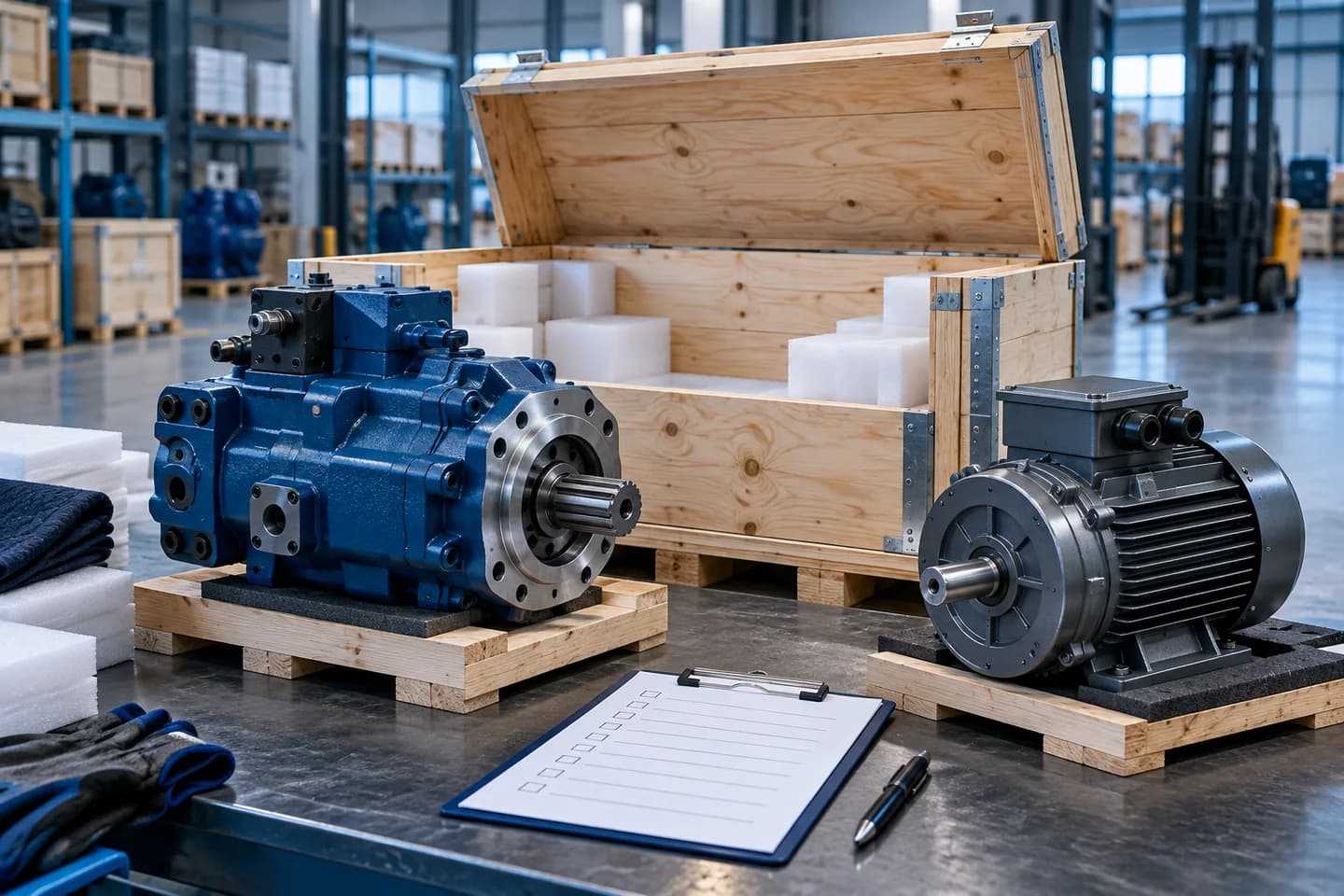
An international machinery order can involve a purchasing company, a distributor, a freight forwarder and a factory that never appears at checkout. Industrial machinery export compliance starts by connecting those roles to the equipment being shipped. A paid Shopify order is the beginning of that review, not the dispatch authorization.
This checklist is for merchants selling industrial pumps, motors, workshop machinery and replacement equipment through Shopify. It helps sales, operations and the warehouse agree on what must be resolved before a crate leaves the building.
Establish where the machine will actually be used
Use a short intake record for machinery orders that need review. Ask for the contracting company, installation site, intended application, receiving party and any intermediary arranging transport. Keep the customer's answers with the order rather than in an individual salesperson's inbox.
If the delivery address belongs to a freight forwarder, establish the ultimate destination. BIS freight-forwarder guidance explains the responsibilities that exporters and agents need to understand. A forwarder is part of the transaction, and its involvement does not automatically transfer your responsibilities.
Consider a buyer ordering a hydraulic pump for a maintenance contractor. The contractor's address, the forwarder's depot and the installation site could be three different places. Record the roles explicitly so screening and product review use the facts that matter.
Give product review a named owner
Create an internal machinery record with model, configuration, attachments, manufacturer documentation and the classification assessment. Used equipment needs an accurate configuration too: a refurbished machine's actual capabilities can differ from an old sales brochure.
Check which export regimes apply, then assess product controls, destination, end use and any authorization conditions. UK dual-use guidance is one starting point for UK exporters. Merchants elsewhere should use their relevant authorities and determine whether additional jurisdictions apply.
Do not treat an ordinary industrial application as a blanket exemption. Equally, do not mark an entire machinery catalog as restricted without assessing the items. Record who made the determination and the evidence used.