Shopify High-Risk Order: Fraud Signal or Sanctions Review?
Shopify's fraud analysis rates chargeback risk, not sanctions risk. Separate the two checks and stop a cancel-high-risk Flow from cancelling sanctions reviews.
4 min read
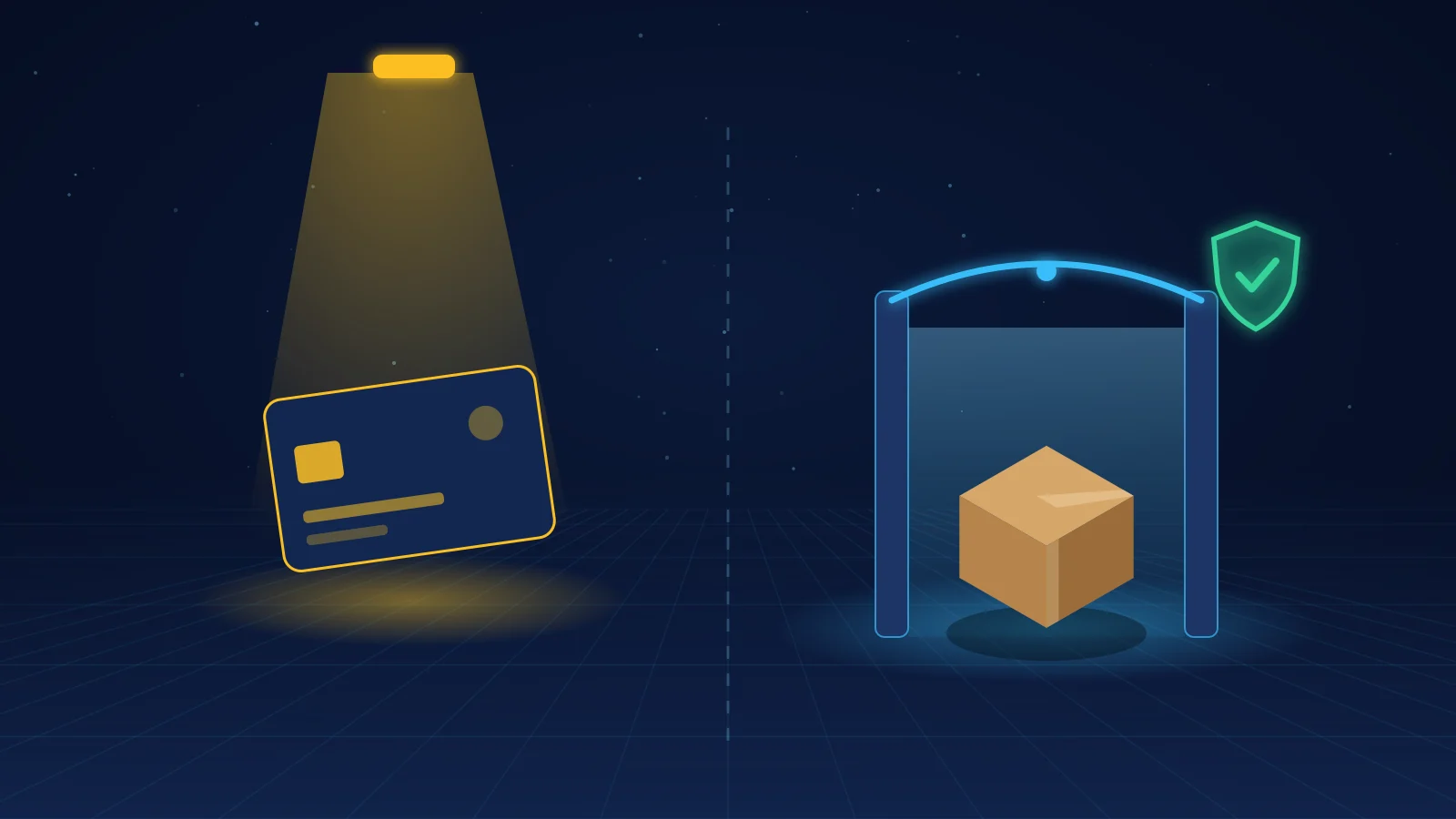
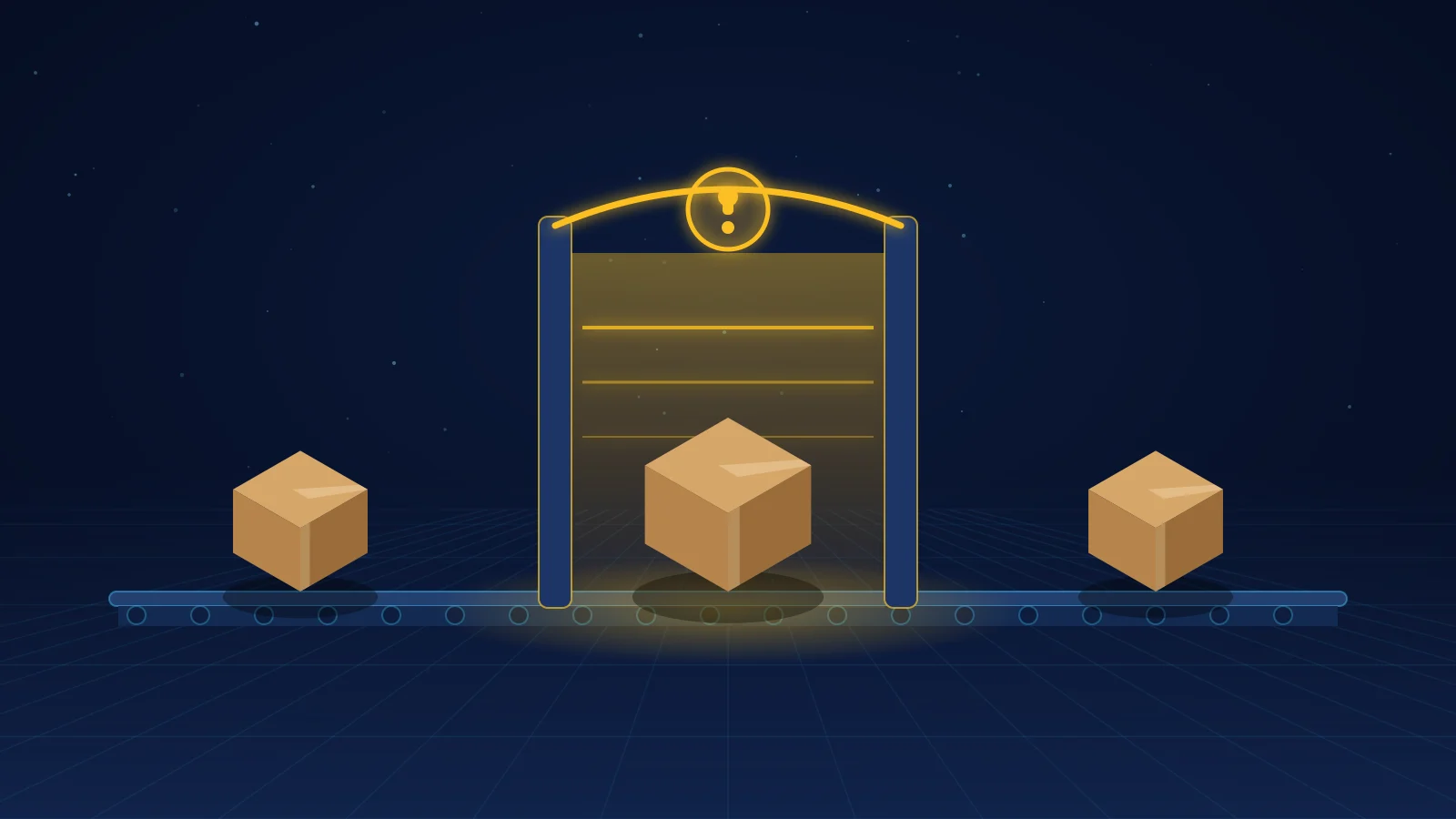
A Shopify high-risk order flag answers one question: how likely is this order to end in a fraud chargeback? It does not tell you whether the buyer, recipient or destination is on a sanctions list. Those are separate checks with separate outcomes. If you treat them as one, you can ship an order that needed a sanctions review, or cancel a good order because a review signal was read as fraud.
What Shopify's fraud analysis tells you
Shopify's fraud analysis shows fraud indicators and, for eligible orders, a recommendation that the order has a low, medium or high risk of a chargeback due to fraud. The indicators cover address and payment checks and patterns in customer, location, device and network activity. The guidance follows the overall recommendation: fulfil, confirm with the customer, or consider cancelling.
Shopify's help page doesn't describe checks against sanctions lists. A low fraud risk only means the payment looks genuine. A real customer paying with their own card can still be a listed person, or ship to a destination you must not supply.
On small screens, scroll the table sideways to compare all columns.
| Fraud analysis | Sanctions screening | |
|---|---|---|
| Question | Is this payment likely to be disputed? | Is a party or destination restricted? |
| Main data | Payment, address match, device, network | Names, companies, addresses, countries against official lists |
| A "clear" result means | Low chargeback risk | No potential match against the lists screened |
| Typical action | Verify, cancel or refund | Hold, investigate, record a decision |
| Who loses if it's wrong | You, through a chargeback | You, through a possible breach of sanctions rules |
When a high-risk order is a sanctions question
Some fraud indicators overlap with sanctions red flags: a billing country that differs from the shipping country, a forwarding address, or a recipient whose name doesn't match the buyer. Read them in two ways. "Will I lose this payment?" is the fraud question. "Who is really receiving these goods, and where?" is the sanctions question.
Take an illustrative order: a buyer in one country pays for electronics to be delivered to a company in a second country. Fraud analysis rates it medium. The card checks pass, so the fraud question is mostly settled. The receiving company still needs screening, and the destination still needs a country check. The guides on and cover those checks.