Denied Party vs Restricted Party vs Sanctions Screening: What's the Difference? | MatchAudit Learn
Denied Party vs Restricted Party vs Sanctions Screening: What's the Difference?
Restricted party screening, denied party screening and sanctions screening explained: what each term means, where they overlap and why it matters.
•6 min read
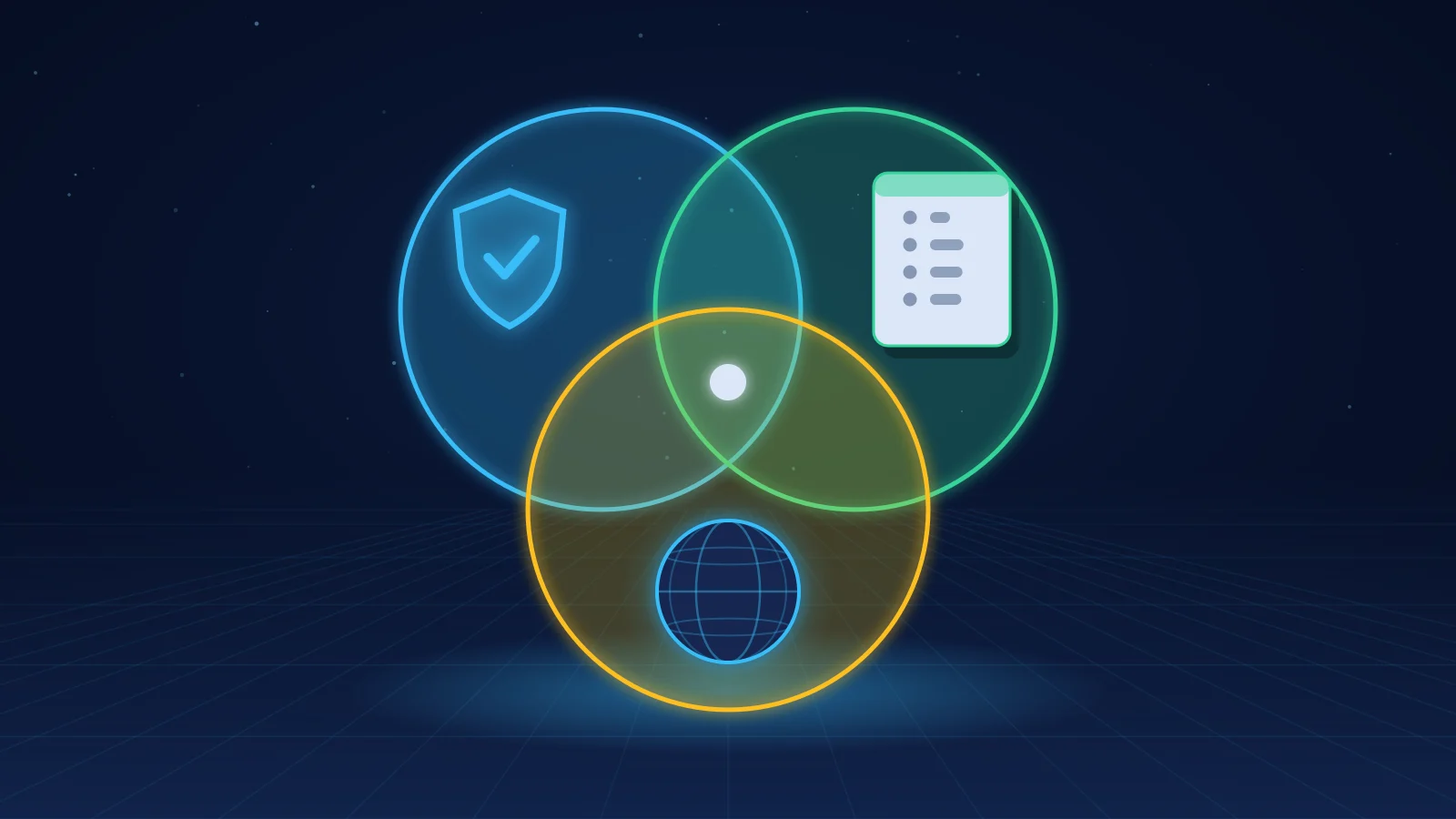
Denied party screening, restricted party screening and sanctions screening describe the same everyday task, checking who you are dealing with against government lists, but they come from different rulebooks. For an online store, one well-built check can cover all three. The difference matters when you get a match, because what you may do next depends on which list it came from.
This guide explains the meaning of each term and where the three overlap. It also covers what changes when a hit comes from a sanctions list rather than an export-control list. For the full setup, start with the complete guide to denied party screening.
Denied party screening meaning
"Denied party screening" grew out of US export controls. The Department of Commerce's Bureau of Industry and Security (BIS) keeps a Denied Persons List of parties whose export privileges have been denied. Over time, the phrase came to mean checking customers and partners against any list of parties you may not deal with, or may only deal with under conditions.
In trade and logistics, the term is still the most common. Carriers, freight forwarders and export teams talk about "DPS" holds and DPS checks. In practice, a denied party screening tool rarely checks the Denied Persons List alone. It usually covers export-control lists and sanctions lists together.
What restricted party screening means
"Restricted party screening" is the broader label. It emphasises that many lists do not deny all dealings. Instead, they restrict certain transactions. Examples include:
The BIS Entity List: a licence requirement applies to exports, reexports and in-country transfers of specified items subject to US export rules. Each entry states its own licence requirement and review policy.
The BIS Unverified List: parties whose bona fides BIS could not verify. Transactions with them carry additional requirements.
The BIS Military End-User List: a licence requirement for certain items going to listed military end users.
State Department lists: for example, parties debarred under the Arms Export Control Act.
So "restricted" covers a spectrum, from "no dealings at all" to "this product needs a licence for this party". The BIS Entity List check guide explains how the Entity List works for B2B sellers.
What sanctions screening means
Sanctions screening checks parties against financial sanctions lists. Examples include OFAC's Specially Designated Nationals (SDN) List, the UN Security Council Consolidated List, the EU consolidated financial sanctions list and the UK Sanctions List.
Sanctions lists generally work differently from export-control lists. They often prohibit almost any dealing with the listed party, regardless of what you sell. Funds, goods and services are all in scope, and assets may have to be frozen. Sanctions can also target whole countries or regions, which is why address and destination checks belong in the same process.
Sanctions screening is also the term banks, payment providers and auditors use. If your bank asks about your controls, it will usually say "sanctions screening" even when it means the same check.
How the three terms compare
Denied party screening
Restricted party screening
Sanctions screening
Where the term comes from
US export controls and logistics
Trade compliance generally
Financial sanctions and banking
Typical lists
Export-control and sanctions lists
Export-control and sanctions lists
OFAC, UN, EU, UK and other sanctions lists
What a listed status usually means
Varies by list
Varies from a licence requirement to a full prohibition
Usually a prohibition on dealings, often with asset freezes
Does the product matter?
Often
Often
Usually not
Who uses the term
Carriers, forwarders, exporters
Compliance teams, software vendors
Banks, payment providers, regulators
The overlap is large. A tool sold as "denied party screening software" and one sold as "sanctions screening" may check much the same lists. Compare the actual list coverage rather than the label. The list-by-list guide shows what to look for.
Why the difference matters when you get a match
The term you use does not change the screening step. It does change the review.
A sanctions list match generally means you should not proceed with the transaction until the match is resolved. A confirmed match can trigger blocking and reporting obligations, depending on the regime. Hold the order, do not ship, and get legal advice before you refund or contact the customer.
An export-control list match means you need to read the entry. For many Entity List entries, the restriction depends on whether your item is subject to US export rules and which licence requirement the entry sets. A Denied Persons List match is stricter: it generally bars participation in export transactions with that party.
A country or region flag is not a party match at all. It tells you the destination needs attention. Whether the order is prohibited depends on the regime, the goods and the parties.
In each case, the review steps are the same: hold, compare the details with the official entry, decide and record. What differs is the decision rule you apply and who you ask when you are unsure. Record which list produced the hit so the decision can be checked later.
Which term should an online store use?
Use the term your audience uses, and make sure your process covers the substance:
With your bank or payment provider: say sanctions screening, and be ready to show the lists, the timing and your review records.
With carriers and forwarders: denied party screening is the familiar term.
In your own policy: describe what you do instead of relying on a label. Name the lists, the parties you screen, when you screen and who reviews matches.
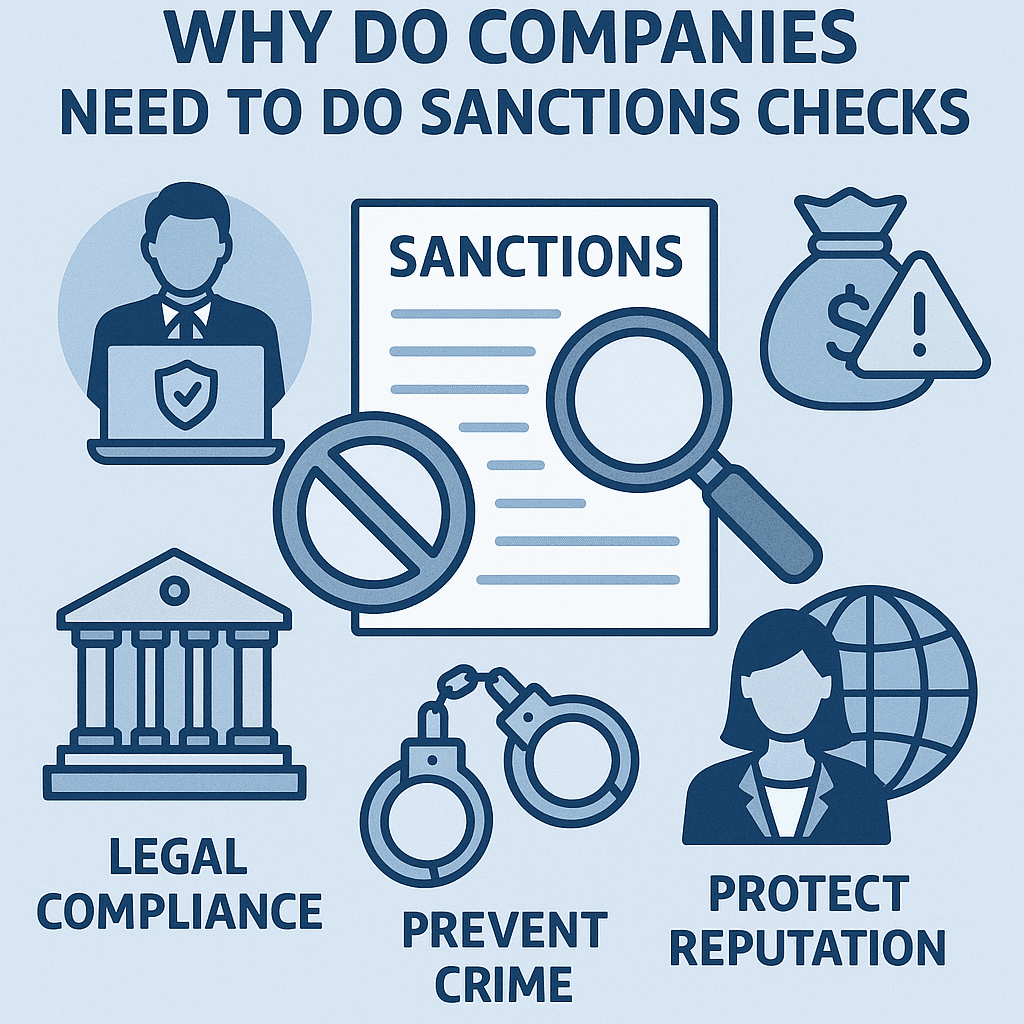
Whichever term you choose, the underlying obligation is the same. You must not deal with parties you are prohibited from dealing with, and you should be able to show how you checked. For why this applies to ordinary businesses, read why companies need to do sanctions checks. For the main lists to start with, see key global sanctions lists.
If you sell on Shopify, the MatchAudit app screens customers and orders against sanctions and denied-party lists plus country-risk lists, and records the review.
Frequently asked questions
What is the difference between denied party screening and sanctions screening?
Denied party screening comes from export controls and logistics; sanctions screening comes from financial sanctions and banking. In practice both check counterparties against government lists, and many tools cover both. The difference shows up in what a match means.
Is restricted party screening the same as denied party screening?
They are used almost interchangeably. Restricted party screening is the broader term because many lists restrict specific transactions rather than denying all dealings.
What does restricted party mean?
A restricted party is a person or organisation on a government list that limits transactions with them. The limit can range from a licence requirement for certain items to a full prohibition on dealings.
Do I need separate tools for denied party and sanctions screening?
Not necessarily. Check which lists a tool actually covers and whether it screens all the parties in your orders. One tool can cover both if its list set fits your business.
What does DPS mean on a shipment?
DPS stands for denied party screening. Carriers use it when a shipment is checked against restricted party lists, and a DPS hold means the carrier is reviewing a possible match or missing information.
Researched 18 November 2026. This is an operational guide, not legal advice or a determination that any particular transaction is lawful.