Denied Party Screening Lists: Which Lists an Online Store Should Check | MatchAudit Learn
Denied Party Screening Lists: Which Lists an Online Store Should Check
Which denied party screening lists an online store should check: US, UN, EU, UK and other lists, how to choose them, and how to keep them current.
•6 min read
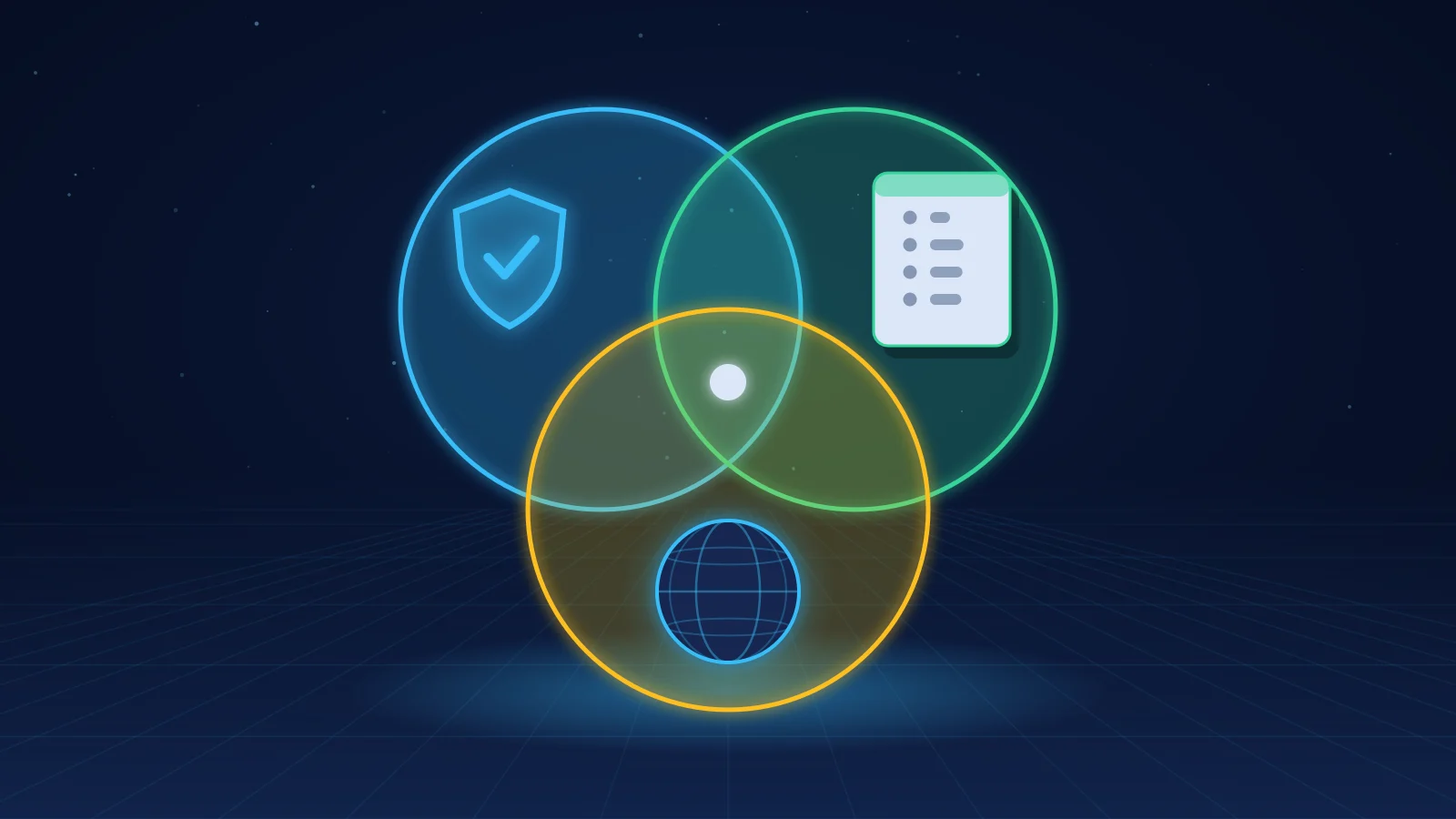
There is no single denied party screening list. An online store needs a set of lists that matches where it is based, how it gets paid, where it ships and what it sells. For most stores that means the main US, UN, EU and UK lists, plus any national lists where you have customers or a legal connection. Choose the set on purpose, write it down and keep it current.
This guide covers the lists an online store usually checks and how to decide which apply to you. It also explains how to keep your denied party screening list set up to date. For the full process, see the complete guide to denied party screening.
United States lists
US lists matter to US businesses and often to non-US stores too. US rules bind US persons and can reach transactions involving US dollars, US banks, US payment processors or US-origin goods.
Treasury (OFAC)
Specially Designated Nationals and Blocked Persons List (SDN): the core US sanctions list.
Non-SDN lists: for example, the Sectoral Sanctions Identifications List and the Foreign Sanctions Evaders List. OFAC publishes them alongside the SDN List in its Sanctions List Service.
Commerce (BIS)
Entity List: licence requirements for specified items subject to US export rules.
Denied Persons List: parties whose export privileges have been denied.
Unverified List: parties whose bona fides could not be verified.
Military End-User List.
State Department
AECA (ITAR) Debarred List.
Nonproliferation sanctions.
Most of these lists are combined in the Consolidated Screening List (CSL), published by the International Trade Administration. It is a convenient starting point, but it is a screening aid: confirm any hit against the original list.
United Nations
The UN Security Council Consolidated List covers persons and entities subject to UN sanctions measures. UN member states implement these measures through their own law. Many national and regional lists, including the EU's, include UN listings. Screening the UN list directly is still common, because implementation timing can differ.
EU consolidated financial sanctions list: the persons, groups and entities subject to EU financial sanctions. EU law prohibits making funds or economic resources available to them. The EU Sanctions Map is a useful overview of regimes and measures.
National lists: some member states publish their own national sanctions or terrorism lists in addition to EU listings. Examples include France, the Netherlands, Belgium, Poland and the Baltic states. If you are established or sell in those countries, check whether their national lists apply to you.
EU measures also restrict goods and services by destination, notably for Russia and Belarus. Those restrictions depend on the product, not only on the party, so a clear name check does not settle them.
United Kingdom
Use the UK Sanctions List. Since 28 January 2026 it has been the only source of UK sanctions designations; the OFSI Consolidated List has closed. If your screening tool or internal policy still names the OFSI Consolidated List, update the reference and confirm the tool now uses the UK Sanctions List data. The UK and EU denied party screening guide covers the switch in more detail.
Other national regimes
Canada, Australia, Switzerland and other countries keep their own consolidated sanctions lists. Add them when you are established there, have significant customers there, or are asked to by a bank, payment provider or business customer.
How to choose your denied party screening list set
Answer five questions and write the answers into your screening policy.
Question
If yes, include
Is the business, or any owner or manager, in the US or a US person?
OFAC lists and US export-control lists
Are you paid in US dollars, or through US banks or processors?
At least the OFAC lists; ask your bank what it expects
Are you established in the EU or a member state?
EU consolidated list and relevant national lists
Are you established in the UK?
UK Sanctions List
Do you sell items that may be export-controlled, or sell B2B abroad?
US export-control lists such as the Entity List, and your own country's export rules
Most stores also include the UN list, and many add the EU, UK and US lists regardless of location, because customers and payment flows cross borders. More lists are not automatically better. Each list adds potential matches to review. Choose the lists that reflect real exposure, then handle the matches properly. The guide on how to prevent false positives helps keep that workload manageable.
Lists change often and without a fixed schedule, and new designations generally apply as soon as they are published. Three habits matter:
Use the official source or a tool that updates from it. Record the list version or download date with each screening result.
Re-screen when lists change. A customer who was clear at checkout can be designated before the order ships, or before their next order.
Watch for source changes. Lists move, close and change format, as the UK's switch to the UK Sanctions List showed. A tool that silently stops updating one list leaves a gap nobody notices.
When a source fails to load, treat the screening as incomplete rather than clear. Hold the order or re-run the check once the list is available.
Where screening fits in your order flow
The list set is only half of denied party screening. The other half is timing and review: screen on order creation, hold fulfillment on a potential match, decide and record. The pillar guide covers that flow. If you are comparing tools, the software buyer's guide lists the questions to ask about list coverage and update frequency.
Shopify merchants can use the MatchAudit app. It screens against OFAC, UN, EU, UK, Canadian, Australian and EU member-state sanctions and denied-party lists, plus country-risk lists.
Frequently asked questions
Is there one official denied party screening list?
No. Each government publishes its own lists. The US Consolidated Screening List combines many US export screening lists, but it does not include UN, EU, UK or other national lists.
Which sanctions lists should a small online store check?
Usually the US OFAC lists, the UN Security Council Consolidated List, the EU consolidated financial sanctions list and the UK Sanctions List. Add lists for the other countries where you are established or have significant customers.
Is the OFSI Consolidated List still used?
No. Since 28 January 2026 the UK Sanctions List has been the only source of UK sanctions designations, and the OFSI Consolidated List has closed.
How often are denied party lists updated?
There is no fixed schedule. Lists change often, and new designations generally apply as soon as they are published. Use a source that updates automatically and re-screen when lists change.
Do I need to check EU member-state national lists?
If you are established in, or sell from, a member state that publishes its own national list, check whether it applies to you. These lists can include parties that are not on the EU list.
Researched 18 November 2026. This is an operational guide, not legal advice or a determination that any particular transaction is lawful.
When an online store needs an OFAC check, which parties and lists to check on each order, when to run it, and what to do and record if a name matches.