OFAC Check for Online Orders: When Your Store Needs One | MatchAudit Learn
OFAC Check for Online Orders: When Your Store Needs One
When an online store needs an OFAC check, which parties and lists to check on each order, when to run it, and what to do and record if a name matches.
•6 min read
An OFAC check compares the people, companies and destinations in an order against the US Treasury's sanctions lists before you take payment or ship. US stores need one on every order. Many non-US stores need one too, because US dollars, US banks, US payment processors and US-origin goods can bring a transaction within OFAC's reach.
This guide covers when your store needs an OFAC check, what to check on each order and when to run it. It also explains what to do and record when a name matches. For OFAC's rules and penalties in depth, read OFAC compliance for ecommerce. For the wider process across all lists, see the complete guide to denied party screening.
What an OFAC check is
The Office of Foreign Assets Control (OFAC), part of the US Treasury, administers US economic sanctions. It publishes the Specially Designated Nationals and Blocked Persons List (SDN List) and several non-SDN lists in its Sanctions List Service. It also administers sanctions programs that restrict dealings with certain countries and regions.
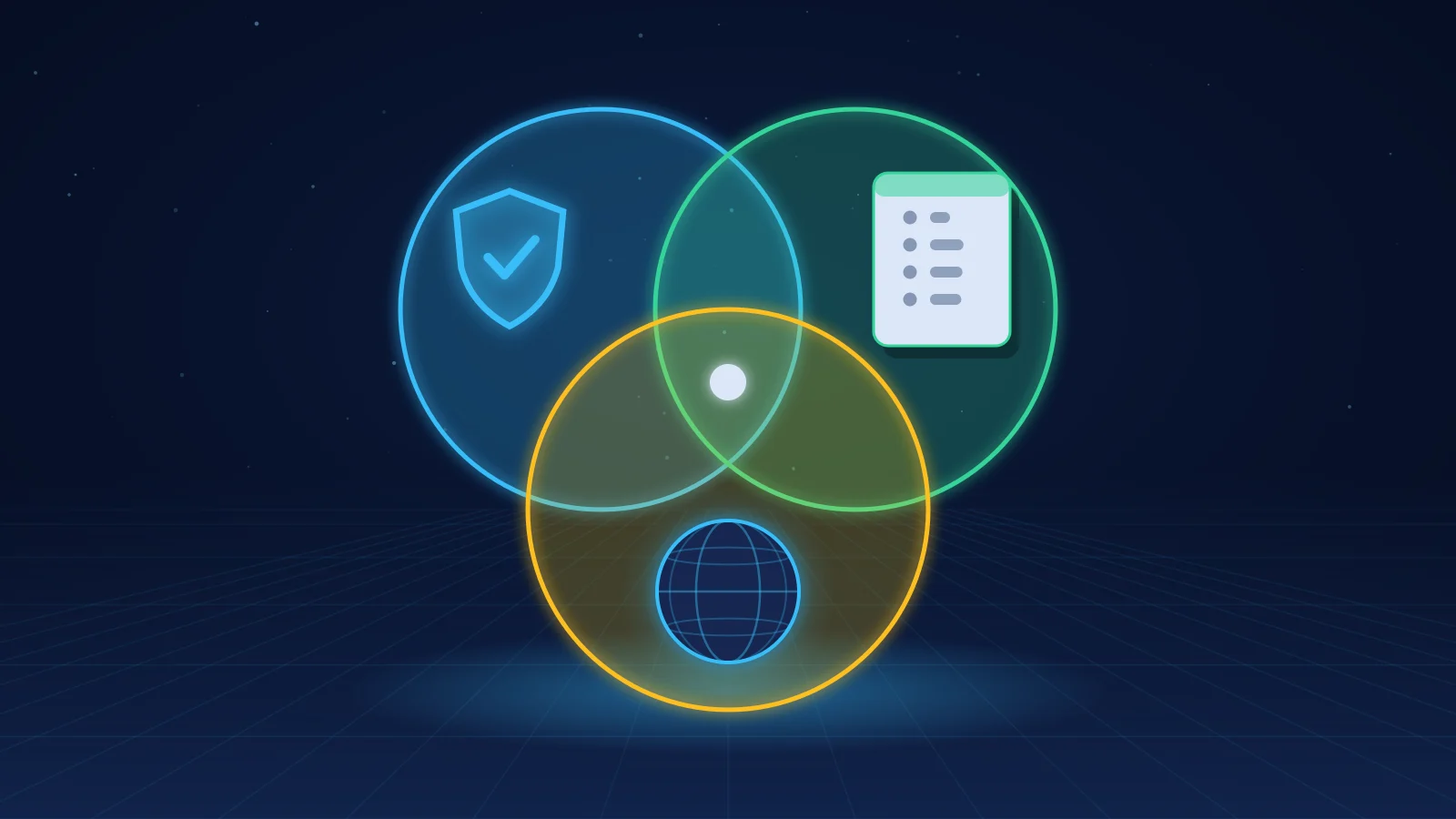
An OFAC check, also called an OFAC screening or SDN check, has two parts:
Party check: are the buyer, recipient, payer or company on an OFAC list?
Destination check: is the order going to, or coming from, a country or region under comprehensive OFAC sanctions?
Both matter. A clean name can still be shipping to a sanctioned region, and a listed person can use an address in a country you normally serve.
When your store needs an OFAC check
You are a US person. OFAC's rules bind US citizens and permanent residents wherever they are, companies organised in the US and their foreign branches, and anyone in the US. If your store is a US company, or is run by US persons, an OFAC check belongs on every order. There is no general small-business exemption.
You are outside the US but touch the US system. Transactions in US dollars, payments through US banks or US payment processors, and exports of US-origin items can create OFAC exposure for non-US businesses. Your bank or payment provider may also expect you to screen against OFAC lists as a condition of service.
Your customers or partners ask for it. Business customers, marketplaces and payment providers increasingly ask merchants how they screen. An OFAC check with records is the usual answer.
OFAC civil penalties apply on a strict liability basis: a violation can occur even if you did not know the customer was listed. That is why screening before the transaction matters more than good intentions after it.
the company name on B2B orders, and the end user if you know it;
the shipping and billing countries, regions and cities.
Region matters. OFAC programs can target a region inside a country, so check the city and region field, not only the country code. Watch for spelling variants of place names as well as personal names.
The Amazon case: what an OFAC check must catch
On 8 July 2020, Amazon settled with OFAC for $134,523. Between 2011 and 2018 it processed orders linked to Crimea, Iran and Syria. According to OFAC's enforcement notice, its screening missed addresses such as "Yalta, Krimea". It also missed correctly spelled SDN names in several hundred cases. OFAC rated the case non-egregious, and Amazon voluntarily self-disclosed it.
The lessons for a smaller store:
check addresses and regions, including spelling variants, not only names;
test that the check runs on every order channel and payment method;
review what your tool actually matched against, not just whether it ran.
When to run the OFAC check
On order creation, before payment capture if you capture manually.
Before fulfillment. A potential match must stop the order from reaching your warehouse, 3PL or supplier. Test that the hold actually stops automatic fulfillment.
When the order changes, for example a new shipping address or recipient.
When OFAC updates its lists. Re-check open orders and repeat customers, because a customer can be designated after they first buy.
What to do if a name matches
Hold the order. Do not ship, and do not capture payment if it is still pending.
Compare the details. Open the full SDN entry and compare full name, aliases, date of birth, nationality, address and identifiers with the order.
Decide. Most matches on common names are false positives. Release only when the details clearly rule out the listed party. If they do not, keep the order on hold.
Record the decision, with the reviewer, date, list entry and reasons.
If the match is confirmed, stop the transaction and get legal advice before you refund or contact the customer. OFAC rules can require blocking and reporting, and the steps depend on the facts.
For transactions subject to OFAC's regulations, recordkeeping is 10 years. The final rule took effect on 21 March 2025. It matches the 10-year statute of limitations introduced by the 21st Century Peace through Strength Act in April 2024. Keep:
what you screened (names, addresses, countries);
which lists and versions you used, and when;
every potential match and how it was resolved;
who decided, and what happened to the order.
If you also export items subject to US export rules, EAR and ITAR records stay on a 5-year retention period. A single 10-year policy is simpler than tracking both. For what banks expect to see, read sanctions screening evidence: what to show your bank.
Shopify stores can automate the OFAC check with the MatchAudit app. It screens customers and orders against OFAC and other sanctions and denied-party lists, holds fulfillment on a match and records the review.
Frequently asked questions
How do I do an OFAC check on a customer?
Search the customer's name, the recipient and any company against OFAC's lists, either with OFAC's search tool or a screening tool that uses OFAC data. Check the destination region too. Compare any potential match with the full entry and record the result.
Is an OFAC check required for online sales?
US law prohibits US persons from dealing with sanctioned parties and regions. It does not prescribe a specific check. Because penalties apply on a strict liability basis, screening each order is the practical way to comply and to show you took care.
Do non-US online stores need OFAC checks?
Often, yes. Transactions in US dollars, through US banks or processors, or involving US-origin goods can create exposure. Your bank or payment provider may also require it.
How long should I keep OFAC screening records?
Ten years for transactions subject to OFAC's regulations, under the rule effective 21 March 2025.
What happens if I ship to someone on the OFAC list by mistake?
It can be an apparent violation even if it was accidental. Stop further dealings, preserve your records and get legal advice, including on voluntary self-disclosure.
Researched 18 November 2026. This is an operational guide, not legal advice or a determination that any particular transaction is lawful.
Which denied party screening lists an online store should check: US, UN, EU, UK and other lists, how to choose them, and how to keep them current.