BIS Entity List Check for B2B Online Sellers (and the 50% Affiliates Rule) | MatchAudit Learn
BIS Entity List Check for B2B Online Sellers (and the 50% Affiliates Rule)
How B2B online sellers run a BIS Entity List check, what a match means, and where the 50% Affiliates Rule stands while its suspension runs.
•6 min read
A BIS Entity List check tells you whether a business customer, recipient or end user is on the US Commerce Department's Entity List, which sets licence requirements for specified items subject to US export rules. It matters most to B2B sellers of components, electronics, machinery and technical goods. Since September 2025, ownership has mattered as well. The BIS Affiliates Rule extended Entity List restrictions to companies 50% or more owned by listed parties, but it is currently suspended.
This guide covers who needs a BIS Entity List check, how to run one and what a match means. It also explains where the 50% Affiliates Rule stands. For the wider process, see the complete guide to denied party screening.
What the Entity List is
The Bureau of Industry and Security (BIS), part of the US Department of Commerce, administers the Export Administration Regulations (EAR). The Entity List names foreign companies, organisations and individuals subject to licence requirements for the export, reexport or in-country transfer of specified items subject to the EAR.
Each entry sets its own terms:
Licence requirement: which items need a licence for that party. Many entries cover all items subject to the EAR, including low-technology items.
Licence review policy: how BIS will treat an application, which can be a presumption of denial.
Addresses and aliases: entries often list several names and addresses.
A match is therefore not automatically a ban on every sale. It is a signal that you must read the entry and determine whether your item and transaction need a licence. In practice, most small sellers will not apply for a licence. A confirmed match usually means you do not ship.
Who needs a BIS Entity List check
US exporters shipping items abroad, especially to business customers.
Non-US sellers of US-origin items, or of foreign-made items with US content or technology. EAR rules on reexports and in-country transfers can still apply.
B2B stores selling electronics, components, industrial equipment, lab equipment, software or technology to companies abroad.
Stores using freight forwarders where the final consignee is a business.
A purely consumer store selling everyday goods to individuals is less likely to meet Entity List parties. It should still run an Entity List check as part of its standard list set, because the cost is low. The shows how to decide.
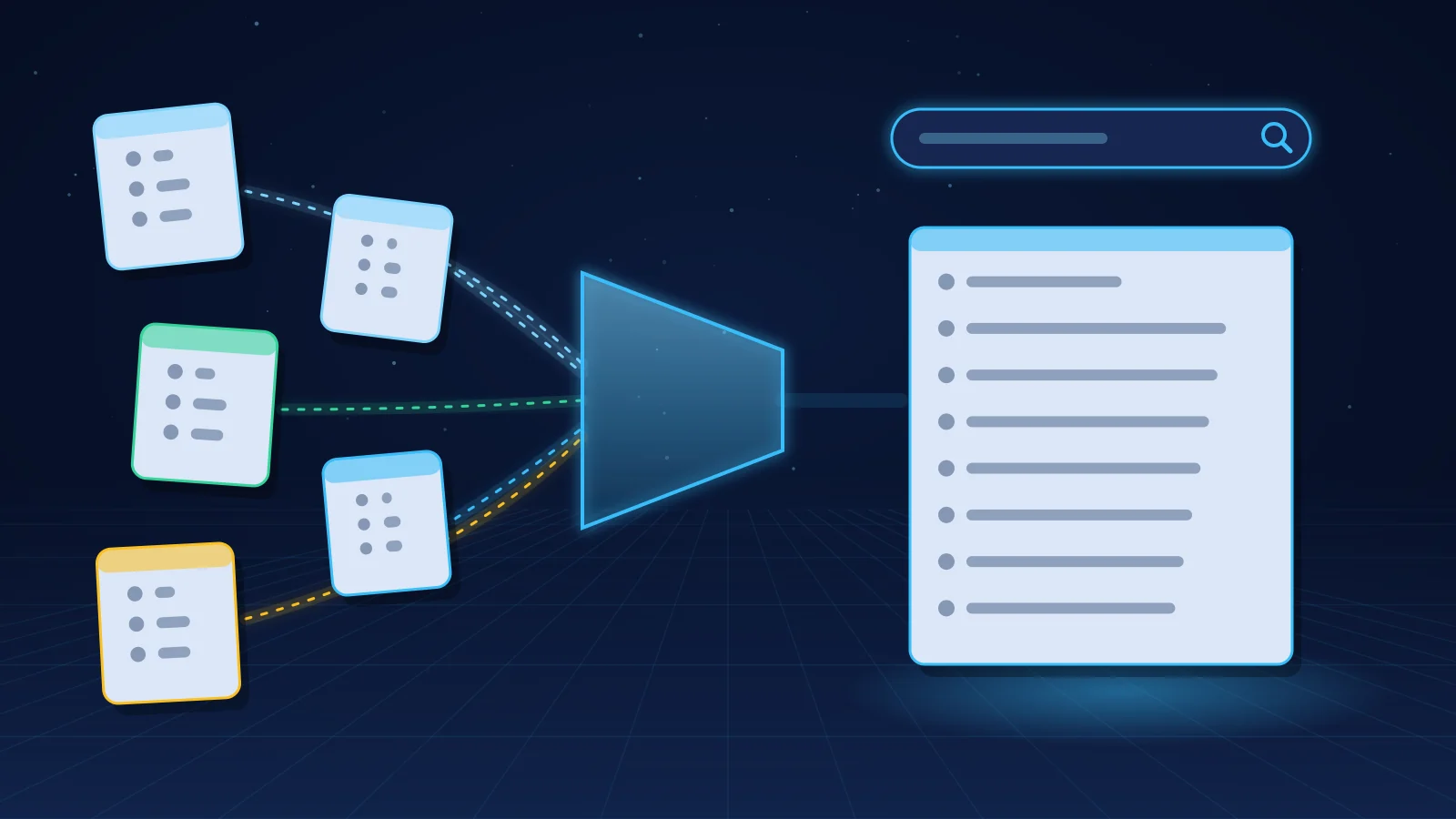
Use the Consolidated Screening List to search the Entity List together with other US lists. The CSL guide explains its formats and limits. Check the current status of the CSL search and API, and confirm recent additions on the BIS source.
Screen every relevant party:
the buying company and any trading names;
the ship-to company and address;
the end user, if different, and any intermediate consignee;
the freight forwarder, if it is the delivery point. The freight-forwarder checklist covers what else to ask.
Compare addresses, not only names. Entity List entries often include addresses, and some listed parties use several trading names. A name that does not match exactly but shares an address with an entry deserves a closer look.
Ask about ownership for higher-risk orders. On B2B orders to destinations or sectors with a history of diversion, ask the customer who owns the company. Record the answer.
What to do with a match
Hold the order before fulfillment.
Open the entry on the BIS source and compare the full details.
Determine whether the entry covers your item. If you do not know your item's export classification, find out before you decide.
Decide and record: false positive and release, confirmed match and do not ship, or escalate to an export-control adviser.
Keep the records. EAR records are subject to a 5-year retention period. If you also keep OFAC records, those need 10 years.
Do not split an order or change the consignee to get around a match. Knowingly evading a licence requirement is itself a violation.
The 50% Affiliates Rule
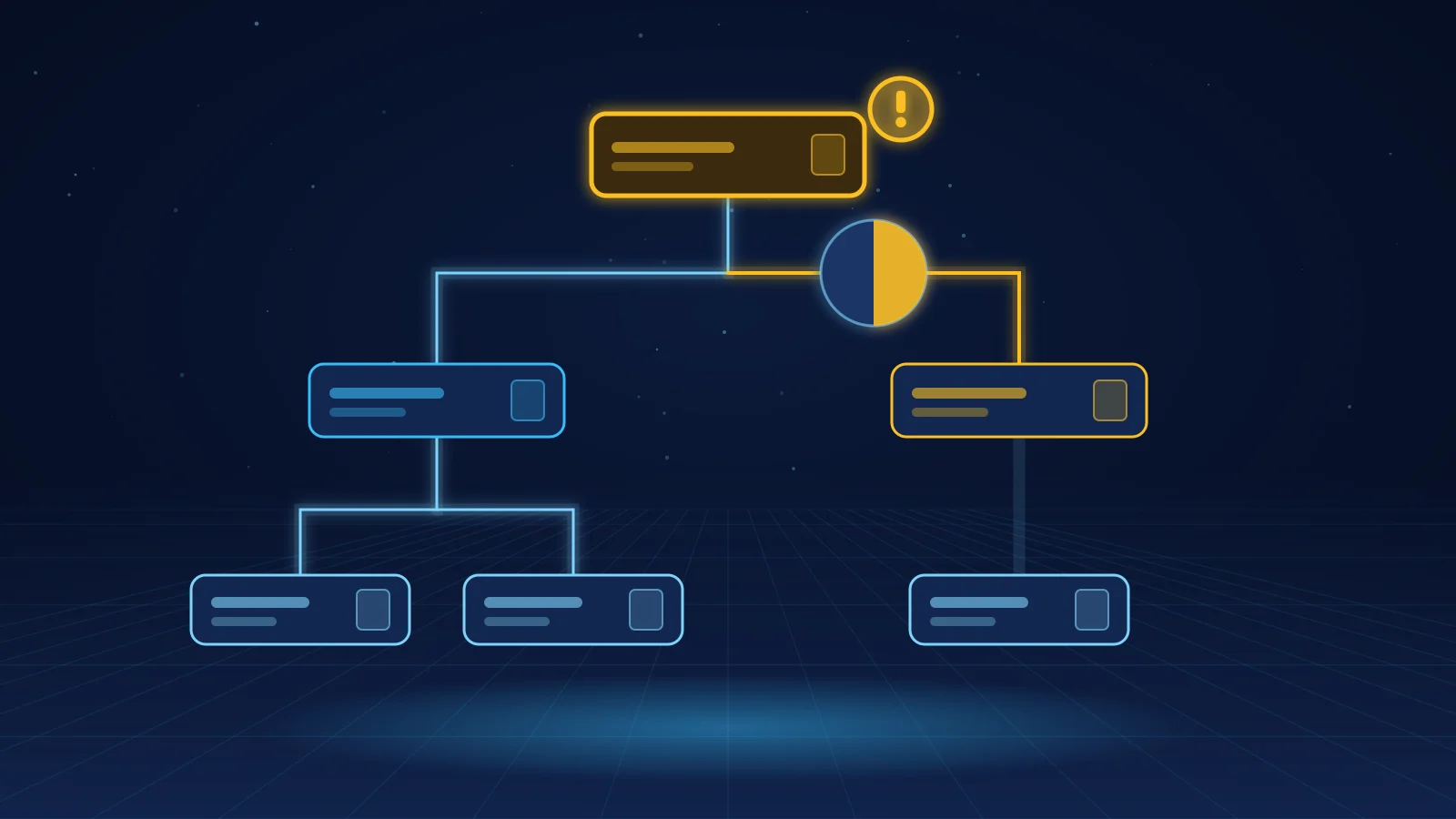
In September 2025, BIS published the Affiliates Rule. It extended Entity List and Military End-User restrictions to entities that are 50% or more owned, directly or indirectly, by one or more listed parties, even if those entities are not listed themselves.
The rule's status has changed since then:
10 November 2025: BIS suspended the Affiliates Rule.
November 2026: BIS extended the suspension to 10 January 2027.
While suspended, only the parties actually named on the Entity List and Military End-User List are caught by these BIS restrictions.
Check the current status on the BIS website before you rely on this summary. If the rule takes effect, a name-only check will no longer be enough for B2B orders. You will need ownership information for business customers in higher-risk destinations, and a record of how you assessed it.
Separately, OFAC has long applied its own 50 percent rule to entities owned by blocked persons. Do not confuse the two. A suspended BIS rule does not suspend OFAC's ownership rule, and the EU and UK apply their own ownership and control tests. The guide on the EU's 50% ownership and control rule covers the EU side.
What a clear result does not tell you
A clear Entity List check does not mean the export is permitted. It does not tell you:
whether your product needs a licence for the destination;
whether the end use is restricted, for example a military end use;
whether sanctions on the destination or on other parties apply;
whether an unlisted customer is owned by a listed party.
On Shopify, the MatchAudit app offers a selectable US BIS / Trade.gov Consolidated Screening List source alongside sanctions lists, with review records. It does not assess ownership, product classification or licence requirements.
Frequently asked questions
How do I check if a company is on the BIS Entity List?
Search the company's names and addresses in the Consolidated Screening List, or use a screening tool that loads the Entity List. Confirm any hit against the BIS source and read the entry's licence requirement.
Does an Entity List match mean I cannot sell to that company?
Not automatically. It means a licence may be required for items subject to the EAR, according to the entry's terms. Many entries cover all such items. Unless you hold a licence, a confirmed match usually means you should not ship.
What is the BIS 50% rule?
The Affiliates Rule, published in September 2025, extends Entity List and Military End-User restrictions to entities 50% or more owned by listed parties. It was suspended on 10 November 2025, and the suspension was extended to 10 January 2027. Check BIS for the current status.
Do non-US sellers need to check the Entity List?
If you sell US-origin items, or items with US content or technology, US reexport rules can apply to you. Many non-US B2B sellers include the Entity List in their screening for that reason.
How long must I keep Entity List screening records?
EAR records are subject to a 5-year retention period. If the same orders are subject to OFAC's regulations, keep them for 10 years.
Researched 18 November 2026. This is an operational guide, not legal advice or a determination that any particular transaction is lawful.
How online sellers use the Consolidated Screening List to check buyers against US export and sanctions lists, what it covers, and where it stops.